Curiosity does not have an age limit, yet many adults slowly stop reading for pleasure or learning new skills because the day fills up. The fix is rarely more motivation. It is a smaller, more visible habit that fits between everything else. This post walks through practical ways to read, learn and remember more of what interests you, using ordinary tools you already own.
Start small and make it visible
Ten pages a day sounds modest, but over a year it becomes a stack of books. Choose a tiny target you can meet even on a bad day, then leave the book somewhere you will see it. A paperback on the pillow or a reader on the kitchen table makes starting nearly effortless.
Keep a second book in your bag for waiting rooms and commutes. Picking up a few minutes here and there adds up faster than people expect, and it replaces mindless scrolling with something you actually enjoy.
Audiobooks are another good route. Listen while cooking, driving or walking, and you can finish a book without setting aside extra time. Many readers alternate between print and audio depending on the day.
Pick a regular time and place
Habits stick when they have an address. Decide whether you read at breakfast, on the train, or in bed, and stay with it. Your surroundings begin to signal what you do there, and the habit takes less effort over time.
Reduce friction by keeping distractions out of reach. Put the phone in another room for twenty minutes. If you prefer a screen for reading, switch on a do-not-disturb mode so alerts do not interrupt a good paragraph. Our guide to digital habits for better focus has more ideas.
A comfortable chair and good lighting make a surprising difference. If reading feels like effort, check whether the setting is the problem before blaming yourself. A warm lamp, a blanket and a quiet corner turn reading into a pleasure rather than a task.
Learn actively, not passively
Reading a page and moving on is easy, but remembering it takes a little engagement. After each chapter, close the book and say aloud, or write in a few lines, what the main ideas were. This recall step feels slightly uncomfortable, which is a sign it is working.
Try explaining what you learned to a friend or family member. Teaching forces you to organize the material in your own words, and it makes the conversation more fun for both of you.
- Summarize each chapter in two sentences
- Underline sparingly and revisit your marks later
- Keep a running list of questions the book raises
- Share one idea with someone each week
Review at spaced intervals
Looking at material again after a day, then a week, then a month is far more effective than cramming. Set calendar reminders to flip through your summaries. Each short review keeps the ideas fresh without taking much time.
Students, hobbyists and professionals all benefit from this rhythm. It turns learning into a gentle loop rather than a one-off burst, which suits a busy schedule.
Index cards or a simple notebook work well for review. Write a question on one side and the answer on the other, then flip through them while waiting for coffee. Short, frequent sessions fit neatly into odd gaps in the day.
Support the habit with sleep, meals and a steady routine
Learning feels easier when the basics are in place. Regular sleep, balanced meals and a bit of movement all help you show up with a clear head. See our posts on sleep routines and plate habits for busy days for practical starting points, and the Sleep Foundation for broader reading on rest.
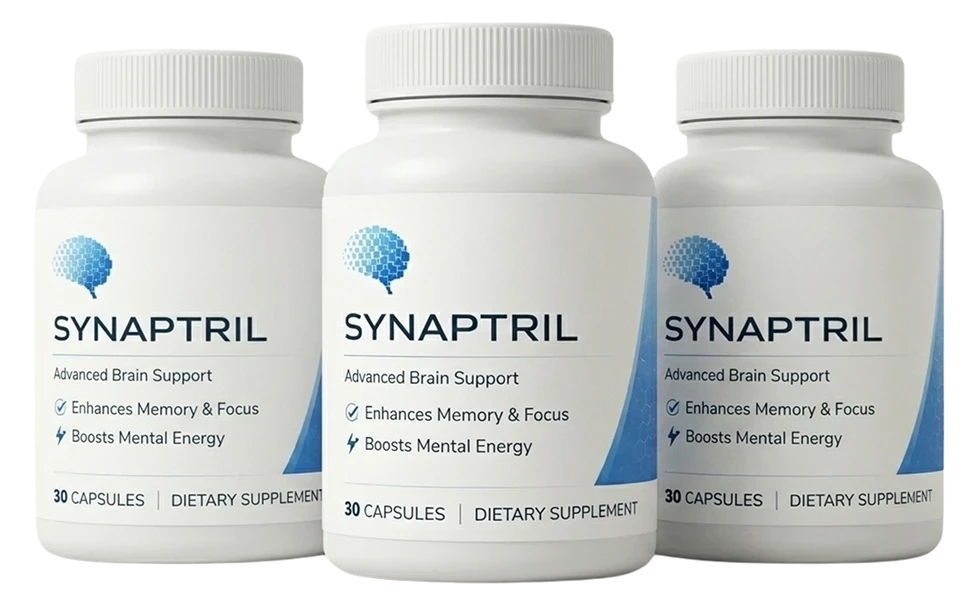
Some adults also add a daily dietary supplement to their routine. Synaptril is intended to support daily focus and everyday mental clarity as part of such a routine, and the label directions for use apply. The NIH Office of Dietary Supplements offers neutral background on supplements in general.
Keep the habit enjoyable
The best reading habit is one you look forward to. Mix genres, abandon books that do not hold you, and reward yourself with a favorite drink during your session. Join a book club or swap recommendations with friends to keep things social.
If you want a steady daily routine to go with your new reading habit, you can order Synaptril today and it is covered by a 60-day money-back guarantee. Either way, the goal is a calm, curious daily rhythm that you enjoy.
Finally, share what you learn. A monthly chat with a friend about the best thing you read keeps you accountable and adds warmth to the habit. Learning becomes more rewarding when it connects you to other people, and that connection is often what keeps the habit alive for years.