A varied week keeps life interesting. When every day looks the same, thinking can feel flat, and a new puzzle or hobby is often all it takes to make things feel fresh again. This post offers a menu of low-pressure activities for adults, from word games to woodworking, along with tips for fitting them around work, family and a regular daily routine.
Why variety matters
Doing the same tasks in the same way is efficient, but it can leave you feeling stuck. Trying something unfamiliar asks you to pay attention in a new way, and that small stretch makes ordinary days feel more engaging.
Variety does not need to be dramatic. Swapping a crossword for a sudoku, or a walk for a pottery class, is enough. The point is to give yourself regular, enjoyable chances to think differently.
Think of it as cross-training for everyday attention. Just as a runner might swim on a rest day, you can alternate verbal puzzles, number puzzles and hands-on projects so that no single type of activity becomes routine.
Puzzles you can fit into a coffee break
Short puzzles are ideal for busy people. A crossword clue, a sudoku grid, a jigsaw on the side table or a quick word game can fill five spare minutes. Keep a puzzle book near the sofa or in your bag so it is ready when a gap appears.
Choose difficulty that feels pleasantly challenging rather than frustrating. If you finish easily, step up a level. If you are stuck for too long, take a break and return later. It is meant to be fun.
Digital options are fine too, as long as you keep them in proportion. A word game on your phone during a train ride is a perfectly good use of ten minutes. Just set a limit so that a quick game does not turn into an hour of scrolling. Our post on digital habits for better focus has simple limits you can try.
- Crosswords and word searches
- Sudoku and logic grids
- Jigsaw puzzles on a dedicated table
- Card games and board games with family
Hobbies that use your hands
Making something gives the mind a different rhythm from screen work. Cooking a new recipe, sketching, knitting, gardening, model building or woodworking all involve planning, patience and small decisions. Many people find that their thoughts settle while their hands are busy.
Start with a beginner project, gather simple supplies and set a modest weekly time slot. A finished product, even a simple one, gives a satisfying sense of progress.
Do not worry about being good at it. The enjoyment is in the doing, not the result. A wobbly bowl or a lopsided scarf still counts, and many adults find that the relaxed attitude is exactly what makes the hobby refreshing after a demanding week.
Social and creative options
Games and hobbies are even better with company. Join a local club, a community class, a choir or a weekly game night. Conversation and shared laughter add a lively element that solo activities rarely match.
If you enjoy music, picking up an instrument or singing along to a favorite playlist is another approachable choice. For more on building reading into the mix, see reading and learning habits that stick.
Balance fun with the basics
Hobbies are more enjoyable when you are rested and fed. Good sleep, regular meals and some daily movement make it easier to concentrate on whatever you try. The Dietary Guidelines for Americans offer general eating guidance, and the Sleep Foundation has practical rest tips.
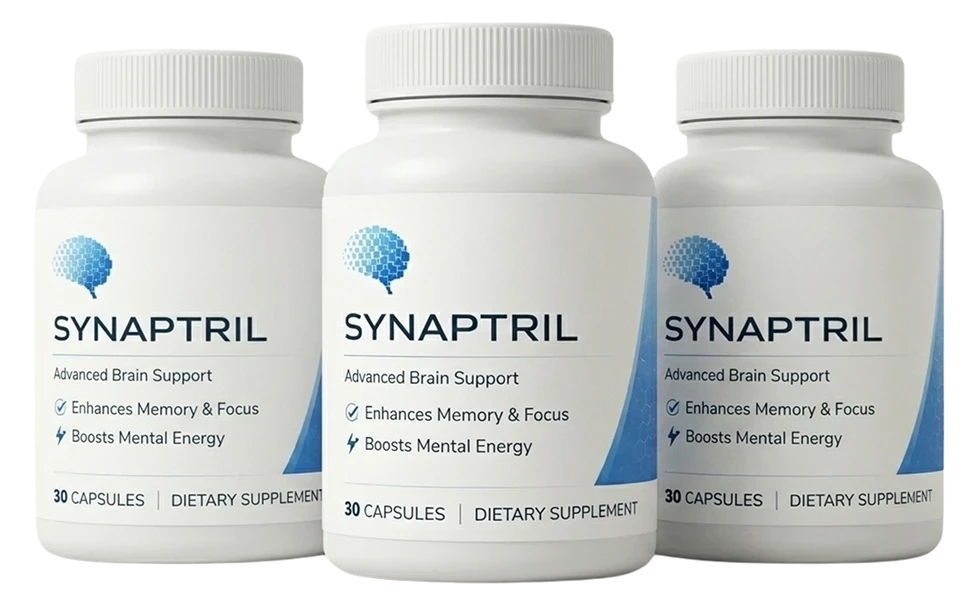
Many adults also like a simple daily supplement routine. Synaptril is a dietary supplement that supports daily focus and everyday mental clarity when taken as directed on the label. Learn what it is in our plain guide to the capsules.
Plan a weekly variety slot
Put one new activity on your calendar each week. It might be a Tuesday evening puzzle, a Saturday class or a Sunday afternoon with a board game. Making it a real appointment makes it likelier to happen.
After a month, look back and keep what you enjoyed. If a steady supplement routine is part of your plan, you can order Synaptril today, backed by a 60-day money-back guarantee. Above all, keep it light, social and fun.
Keep a short wish list of things you would love to try someday, from learning a language to building a birdhouse. When a free evening appears, you will already have a ready idea instead of defaulting to the television. Small lists like this make new interests easy to start.