A clear morning often begins the night before. The way you spend your last hour of the evening shapes how the next day feels, and the good news is that the best sleep routines are modest and repeatable. This article offers a calm evening plan built from small steps: a steady bedtime, softer light, a short wind-down and a few morning cues that tie everything together.
Anchor your bedtime and wake time
The body likes rhythm. Going to bed and waking up at similar times, even on weekends, helps your days feel more predictable. Pick a wake time you can keep and work backward to a bedtime that leaves enough hours for rest.
The Sleep Foundation and the CDC sleep pages both offer friendly public guidance on healthy sleep habits for adults.
Consistency matters more than perfection. If a late night happens, return to your normal times the next day instead of trying to make up for it with a long sleep-in, which can shift your rhythm even further.
It can help to set a gentle alarm for bedtime, not just for waking up. A soft reminder at your target time prompts you to begin the wind-down, and it makes the evening feel intentional instead of drifting.
Dim the lights and quiet the screens
Bright light late in the evening tells the body that it is still daytime. About an hour before bed, lower the lamps, switch to warmer bulbs if you can and set screens aside. If you must use a device, reduce the brightness and avoid busy, attention-grabbing content.
Replacing scrolling with something gentle, such as reading a paper book or listening to soft music, makes the shift easier. Our article on digital habits for better focus has ideas for managing devices through the whole day.
Daylight in the morning and dimness in the evening work together. They give your body a clear sense of when the day begins and ends, which supports a regular pattern from one week to the next.
If you work late on a screen, consider warm lighting on your desk and a short pause every so often. These small changes cost little and make the transition to evening smoother.
Create a short wind-down ritual
A wind-down ritual is a signal. It tells your mind that the day is finished. Keep it short and pleasant, and do the steps in the same order each night so they become cues on their own.
Keep the ritual realistic. Fifteen to twenty minutes is plenty, and a short routine you actually follow beats a long one you skip. If a step feels like a chore, swap it for something you enjoy more.
- Tidy the kitchen and set out tomorrow's clothes.
- Write tomorrow's top three tasks on paper.
- Take a warm shower or wash your face.
- Stretch gently for a few minutes.
- Read a few pages of something calm.
Set up the room
A cool, dark, quiet sleeping space supports rest. Use curtains that block light, keep the temperature comfortable and remove clutter from the nightstand. If noise is an issue, a fan or a soft sound machine can help smooth it out.
Keep work materials out of the room if you can. The space should say one thing: this is where rest happens.
Heavy meals and large drinks late in the evening can make settling down harder, so many people prefer to finish dinner a few hours before bed and keep evening drinks light. Water is a fine choice, and a warm cup of tea is a common ritual for the hour.
Close the loop in the morning
Morning routines and evening routines support each other. Open the curtains as soon as you wake, drink a glass of water and get some daylight. These cues anchor your internal clock and make tomorrow night's bedtime easier.
Our guide to building better morning routines describes a gentle sequence that works well with an evening plan like this one.
Write down how mornings feel for a week or two, using a single word each day. Patterns emerge quickly, and you can see which evening habits line up with the mornings you enjoy most.
A daily capsule in the morning
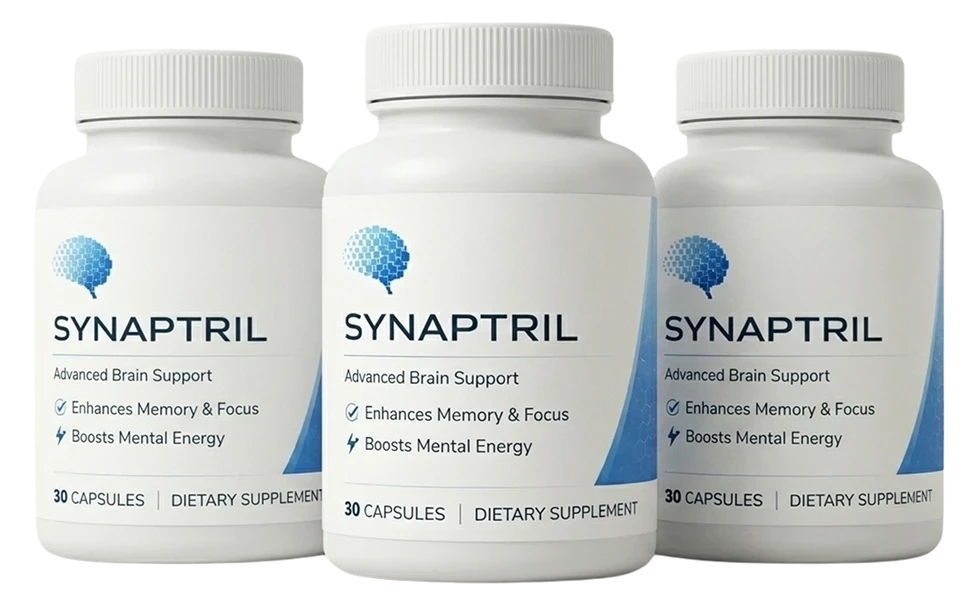
Some adults add a daily dietary supplement to the start of the day. Synaptril is a capsule made to support everyday mental clarity and daily focus, and it pairs naturally with a glass of water and breakfast. Always follow the directions on the label.
If you want to try it, you can order Synaptril today and start with a 60-day money-back guarantee. For a primer on the product, see what Synaptril is. And for general habits that help a day run well, the Mayo Clinic healthy lifestyle pages are a handy reference.